
COP31 Climate Summit Faces Deadlock as Saudi Arabia Resists Fossil Fuel Transition and Emissions Targets
The COP31 climate summit in Antalya, Türkiye, is approaching its scheduled conclusion on 20 November, but negotiations are facing significant obstacles as countries struggle to reach agreement on some of the most important issues surrounding the global energy transition.
What was expected to be another opportunity for governments to strengthen their climate commitments has instead become a difficult diplomatic confrontation. Disagreements over fossil fuel use, emissions reduction targets, climate financing and scientific research have exposed the growing divisions between countries with different economic interests and approaches to addressing climate change.
According to diplomats involved in the discussions, Saudi Arabia has intensified efforts to challenge several proposals, including an electrification target and commitments to accelerate the transition away from fossil fuels. Riyadh has also reportedly slowed negotiations concerning climate finance and funding for climate science.
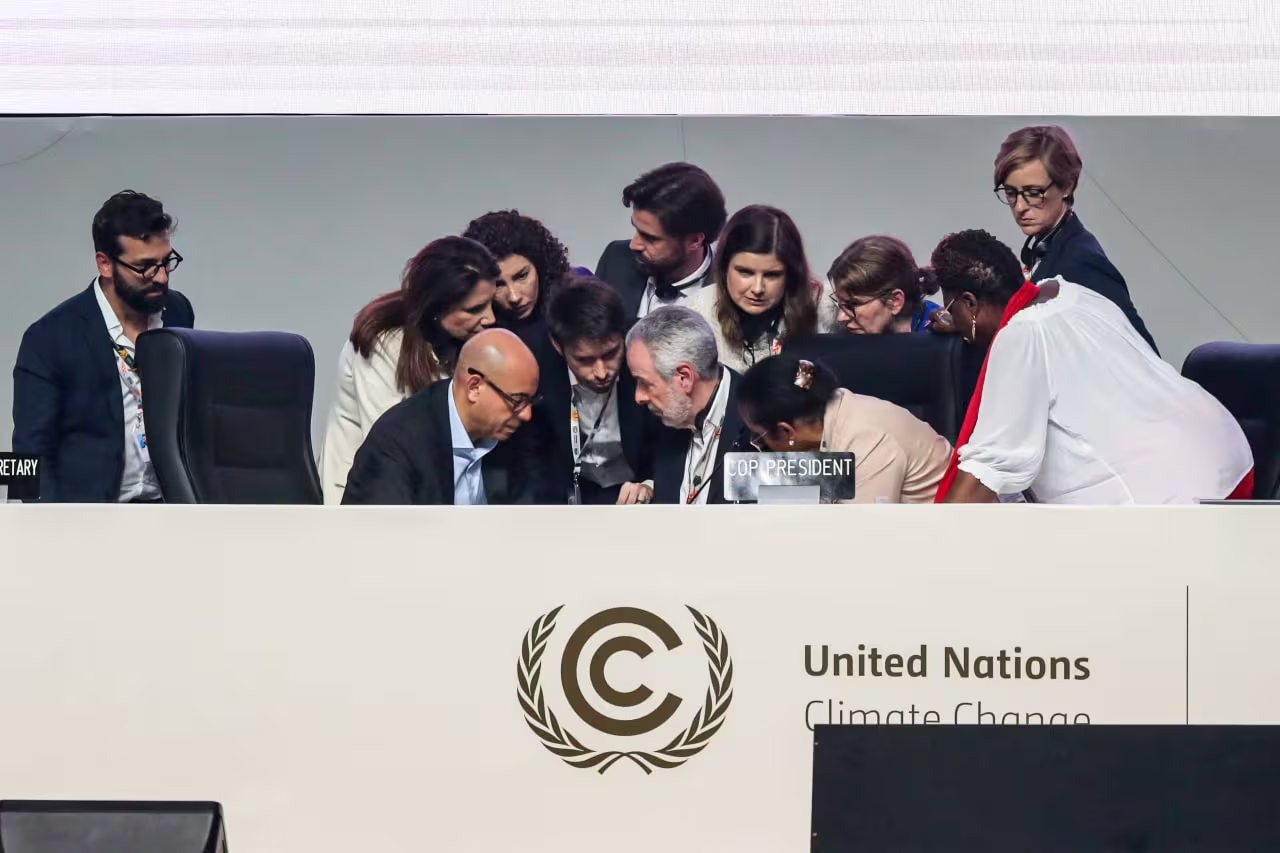
Supported by other members of the Arab group, Saudi Arabia has taken advantage of the United Nations climate negotiation system, which generally relies on consensus rather than simple majority voting. Under this approach, reaching an agreement requires broad acceptance among participating countries, meaning that a small number of determined opponents can prevent progress even when many governments support a particular proposal.
For businesses and investors monitoring the negotiations, the uncertainty carries significant consequences. The global transition towards cleaner energy requires long-term investment, predictable regulations and clear government commitments. When international negotiations fail to provide those signals, companies may become more cautious about making decisions involving billions of dollars in infrastructure and technology.
COP31 therefore represents more than another diplomatic disagreement. Its outcome could influence the pace of investment in renewable energy, industrial electrification and the technologies expected to shape the global economy over the coming decades.
Countries Remain Divided Over the Future of Fossil Fuels
One of the central challenges at COP31 is the lack of agreement over how quickly the world should reduce its dependence on fossil fuels.
Coal, oil and natural gas remain essential to many national economies, providing energy for electricity generation, transportation, manufacturing and industrial production. Countries that depend heavily on fossil fuel exports also face significant economic and fiscal risks if global demand declines too quickly.
Saudi Arabia is particularly exposed to this challenge because its economy remains closely connected to oil production and exports. A rapid global transition away from fossil fuels could affect government revenues, investment priorities and the country’s long-term economic strategy.
These concerns help explain why negotiations over fossil fuel transition commitments have become so difficult.
Many governments, particularly those facing substantial climate-related risks, want stronger international commitments to accelerate the shift towards renewable energy and reduce greenhouse gas emissions. Others argue that the transition must account for differences in economic development, energy security and national circumstances.
The disagreement is not simply about whether countries should reduce emissions. It is increasingly about who should pay for the transition, how quickly it should happen and how the economic consequences should be distributed.
The consensus-based nature of the UN climate process makes resolving these differences particularly challenging. Even when governments agree on the general objective of reducing emissions, disagreements over specific language and implementation requirements can prevent a final decision.
For the business community, this creates uncertainty about the future regulatory environment. Energy companies, manufacturers and infrastructure developers need to understand how governments intend to manage the transition before committing substantial capital to long-term projects.
COP31 Draft Agreement Highlights the Growing Climate Challenge
The draft decision currently under negotiation reflects the scale of the challenges facing the international community.
The document acknowledges that the world remains on course to exceed the 1.5°C global warming limit established under the Paris Agreement. It also introduces a proposed framework referred to as “35-by-2035”, which aims to establish a new direction for reducing emissions by 2035.