Denim is the most democratic fabric in the history of fashion. It has dressed cowboys and catwalk models, factory workers and film stars, teenagers and their grandparents. It is the only material that can be both workwear and luxury, both casual and — worn the right way — surprisingly smart. And yet, for all its familiarity, denim is also one of the easiest things to get wrong. The wrong wash, the wrong fit, the wrong combination can turn the world’s most forgiving fabric into an outfit that looks dated, sloppy or confused. Getting denim right is not about following trends. It is about understanding a fabric that has been in style for 150 years and will be in style for 150 more — and wearing it with the confidence that comes from knowing the rules.
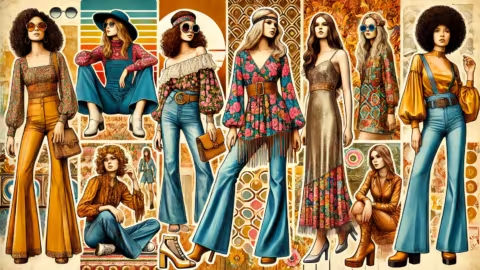
The story starts in the nineteenth century, when denim was workwear: tough cotton twill, dyed with indigo, made into trousers for miners and labourers who needed clothes that would not fall apart. The fabric’s strength was its selling point, and its fading — the way indigo wears away at the knees, the pockets and the seams — was originally a flaw. It became a feature when Hollywood adopted denim in the 1950s: James Dean in Rebel Without a Cause, Marlon Brando in The Wild One, Marilyn Monroe in The Misfits. Suddenly, the workman’s trouser was a symbol of rebellion, and denim has been trading on that association ever since. Every generation has reinvented it — the flares of the seventies, the acid wash of the eighties, the baggy jeans of the nineties, the skinny jeans of the 2000s — and every generation has believed its version was the definitive one. None of them was. Denim survives because it absorbs each era and outlasts it.
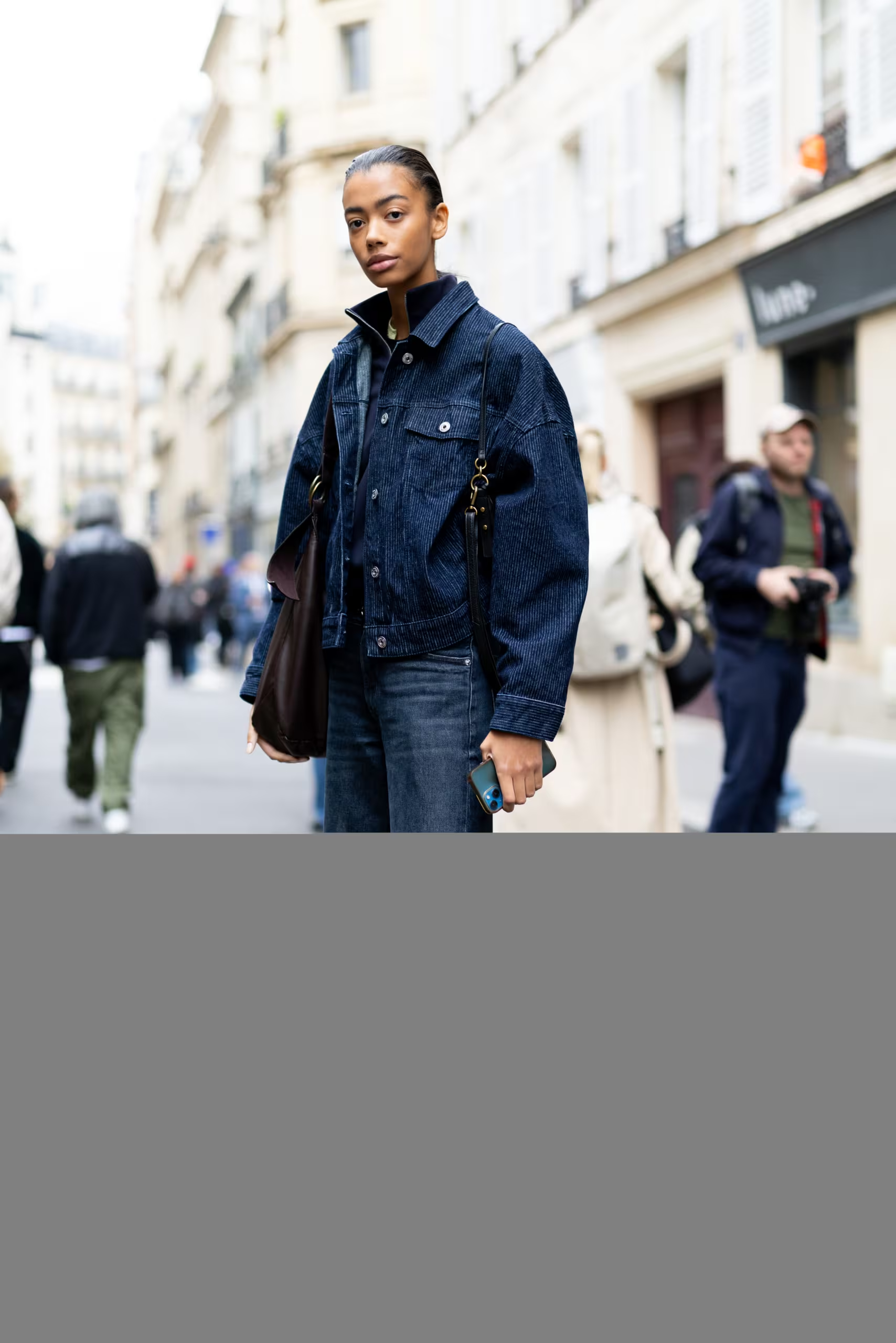
The foundation of good denim is fit, and fit in jeans is more specific than in almost any other garment. The waist should sit comfortably without a belt doing emergency work. The rise — the distance from the crotch to the waistband — determines where the jeans sit on your body, and it matters more than most people realise: a mid-rise suits almost everyone, a high rise lengthens the leg, a low rise is unforgiving on most body types. The leg should follow the shape of your body without clinging to it or swimming around it. The length should break just slightly at the shoe, or be cropped just above the ankle. These are small details, but jeans are worn more often than any other garment most people own, and a pair that fits properly will be reached for every day while a pair that does not will sit in the drawer. When you find a pair that fits, buy a second one. It is the most practical advice in fashion.
Wash is the second decision, and it is the one that most determines how dressed up or dressed down your denim looks. Dark indigo, raw or rinsed, is the most versatile wash there is: it reads as smart, it pairs with almost everything, and it can be worn to a casual office or a dinner out without looking out of place. Mid-blue is the classic everyday wash — relaxed, friendly, the colour most people picture when they think of jeans. Light wash is the most casual of all, and the hardest to dress up; it belongs to weekends, holidays and summer. Black denim is a different animal entirely: it is sharper, more urban, and it works best when the rest of the outfit is equally clean and simple. The rule is simple: the darker the wash, the smarter the jean. Own one dark pair and one mid-blue pair, and you have covered almost every situation.
The denim jacket deserves its own paragraph, because it is the most misunderstood item in the wardrobe. A good denim jacket is a layering piece, not a coat: it works over a T-shirt, under a heavier coat, or as the outer layer on a mild day. The fit should be slightly boxy but not oversized, with the hem hitting at the waistband of your trousers. The classic mistake is wearing a denim jacket with jeans in the same wash — the dreaded “Canadian tuxedo”. It can work, but only when the two washes are clearly different: a light jacket with dark jeans, or a dark jacket with light jeans. When the washes match too closely, the outfit reads as a uniform rather than a choice. The safest approach is to wear your denim jacket with chinos, a skirt or non-denim trousers, and let the jacket be the only denim in the outfit.
Care matters more with denim than with almost any other fabric, because denim is designed to age. Raw denim, in particular, fades and softens with wear, developing a pattern that is unique to its owner — the whiskers at the hips, the honeycombs behind the knees, the fading at the pockets where a phone or wallet has lived. This is not damage. It is the point. To preserve it, wash your jeans as rarely as possible: spot-clean stains, air them out, and when you do wash them, turn them inside out, use cold water and hang them to dry. Never tumble-dry denim if you can avoid it — heat shrinks the fabric and breaks down the fibres. A well-cared-for pair of jeans will last for years and look better at year three than it did at year one. That is a rare thing in fashion, and it is worth protecting.
Finally, denim is the fabric that most rewards personal style. There is no single right way to wear it, and the people who wear it best are the ones who have found their own version: the perfect straight-leg jean, the jacket that has been broken in over a decade, the shirt worn open over a white T-shirt. Trends will tell you that this season is about wide legs or cropped jackets or a particular shade of blue. Ignore them, or at least treat them as suggestions rather than orders. Denim has survived every trend because it belongs to the person wearing it, not to the fashion industry. Find the fit that suits you, the wash that works for your life, and wear it until it is yours in a way no new pair can be. That is denim done right — and it has been right for 150 years.