Formula 1 has a new world champion, and he has rewritten the record books before most drivers have even reached their peak. Kimi Antonelli clinched the 2026 Formula 1 drivers’ championship in Mexico City, becoming the sport’s youngest-ever world champion. The achievement is extraordinary by any measure, but it is the context that makes it historic. Antonelli arrived in Formula 1 as a teenager, carrying the weight of being called the most talented junior driver of his generation, and within a handful of seasons he has done what only a few drivers in the history of the sport have ever done: won the championship while still young enough that his best years are, in theory, still ahead of him. The sport has seen prodigies before. It has never seen one quite like this.
To understand the scale of the achievement, it helps to remember what Formula 1 used to demand of its champions. For most of its history, the championship was won by drivers in their late twenties or thirties, men who had spent a decade learning the craft — how to manage tyres, how to read a race, how to handle the politics of a team and the pressure of a title fight. Sebastian Vettel was considered astonishingly young when he won his first title at twenty-three. Max Verstappen, who won his first championship at twenty-four, was seen as the new benchmark for precocity. Antonelli has now moved that benchmark again, and by a margin that forces the sport to reconsider what young drivers are capable of. He did not win by accident, or by inheriting the fastest car in a weak year. He won by beating the best drivers of his generation, in a season that included a wet-weather classic in Brazil, a constructors’ title already sealed by Mercedes, and a field that had never been more competitive.
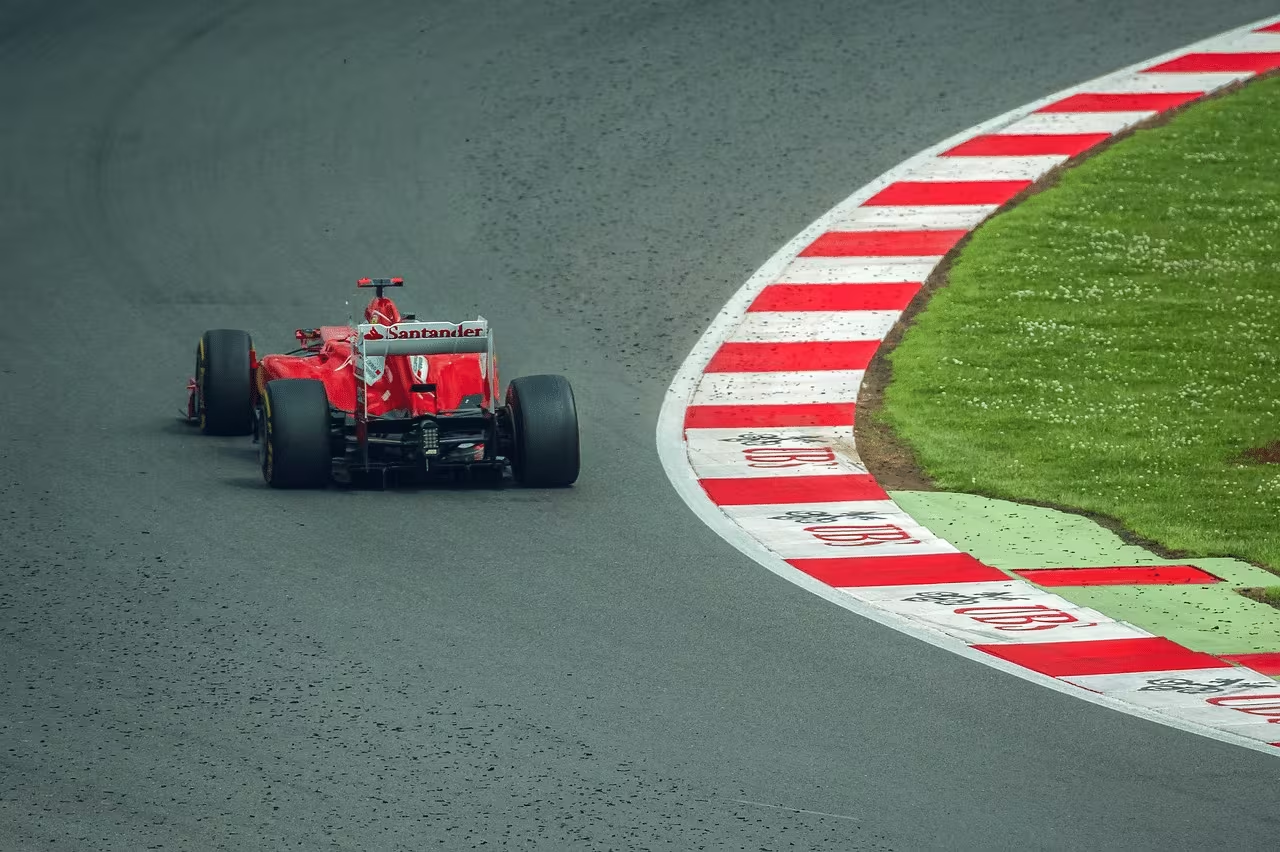
The Mexico City race itself deserves to be remembered as one of the great championship deciders. The Autódromo Hermanos Rodríguez, at more than 2,200 metres above sea level, is one of the most demanding circuits on the calendar: the thin air robs the cars of downforce, the long main straight rewards straight-line speed, and the stadium section, where tens of thousands of fans create an atmosphere unlike anywhere else in the sport, turns the final corners into a cauldron. To win a championship there, in front of one of the most passionate crowds in motorsport, is a fitting stage for a coronation. Antonelli’s drive was not a cautious cruise to the title. It was the performance of a driver who understood the moment and refused to let it pass him by.
What makes Antonelli’s rise so compelling is how deliberately it was built. Unlike the romantic stories of drivers discovered by chance, his path was planned from childhood: karting titles, junior formula championships, and a promotion to Formula 1 that was debated endlessly before it happened. The sceptics asked whether he was ready, whether the pressure would break him, whether the hype was greater than the talent. Every young driver faces those questions. Antonelli answered them the only way that matters — on the track, in the rain, under pressure, against drivers with far more experience. The championship is the answer, and it is definitive.
The implications extend far beyond one driver. Formula 1 has spent the last decade trying to attract a younger audience, and a champion barely out of his teens is the most powerful marketing tool the sport could ask for. Young fans see themselves in Antonelli in a way they never could in a champion in his thirties. Sponsors see a face that can carry the sport for the next fifteen years. And rival teams see a problem: how do you beat a driver who is already the best in the world and still improving? The answer, for now, is that you probably don’t — not this year, and maybe not next year either. The sport is entering the Antonelli era, and the other drivers know it.
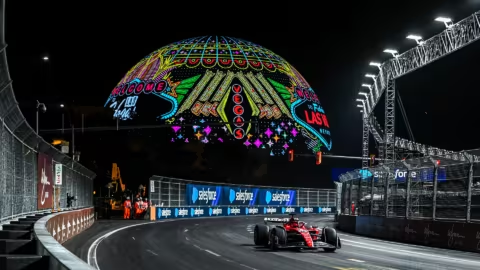
There is also a wider story about what the championship means for the generation that came before it. Max Verstappen, who started 21st in Brazil and drove through the field to second in a damaged car, remains one of the greatest drivers of all time, and Lando Norris, who won the wet São Paulo Grand Prix for McLaren, is still a formidable rival. But the title has moved on, and the sport’s centre of gravity has moved with it. The Las Vegas Grand Prix, the next race on the calendar, will be Antonelli’s first as world champion, and the questions surrounding it — Norris has warned that the current wet-weather tyres are not ready for Las Vegas, and Verstappen has reported balance and power deployment issues in wet practice — are a reminder that the championship may be decided, but the season is not over. There are still races to win, still points to score, and still a constructors’ battle to settle.
For now, though, the story belongs to Antonelli. The youngest world champion in Formula 1 history did not just win a title. He changed the sport’s sense of what is possible, and he did it in Mexico City, in front of a crowd that will remember the day for the rest of their lives. The record books will show the numbers. The history books will show something else: the day Formula 1 became, definitively, a young man’s sport, and the day its future arrived years ahead of schedule.
The comparison with the sport’s great champions also puts the achievement in perspective. Michael Schumacher won his first title at twenty-five, after years of building Ferrari into a winning team. Lewis Hamilton won his first at twenty-three, in only his second season, and went on to win seven. Vettel won four in a row starting at twenty-three. Each of them was called a prodigy in their time, and each of them had to prove that youth was not a weakness but a weapon — that the fearlessness of a young driver, combined with the discipline to learn, could beat the experience of older rivals. Antonelli has now joined that company, and he has done it younger than any of them. The question is no longer whether he belongs among the greats. It is how many titles he will win before the rest of the grid catches up.
Sources: Persook Sport, 2 November 2026; HeadlinesBriefing Sports, 8–16 November 2026; RadioGuide Sports News, 20 November 2026.